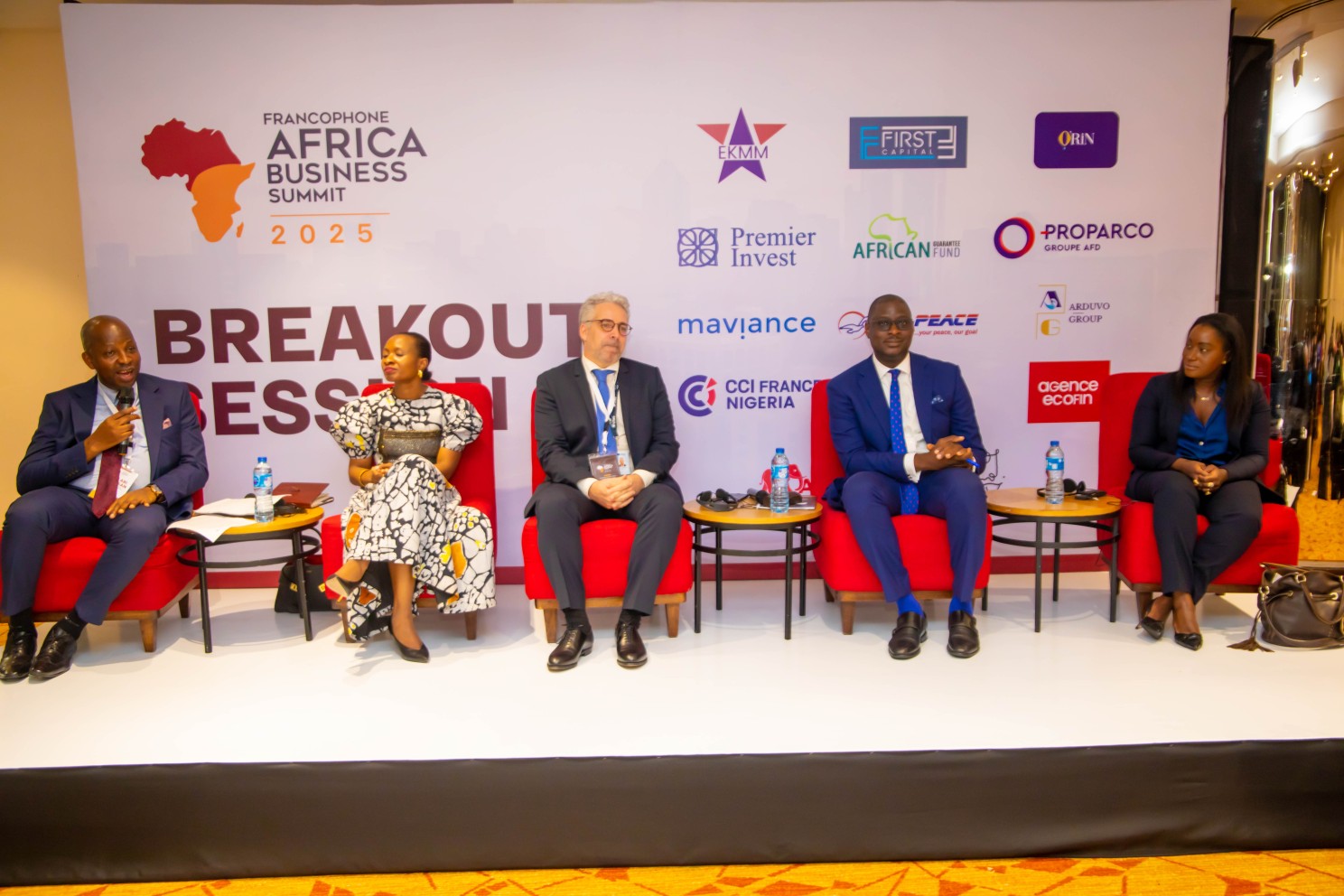
Afolabi Obisesan argues that expanding manufacturing and cross-border synergies are vital to unlock Africa’s FMCG potential and drive industrialisation.
Africa’s fast-moving consumer goods (FMCG) sector is more than just a driver of retail—it is an essential force behind industrialisation, supply chain evolution, and economic growth. However, despite its immense potential, the sector continues to face significant challenges, from underdeveloped manufacturing capabilities to fragmented regional supply chains.
Afolabi Obisesan, Vice President of Product and Distribution at Premier Invest, believes that expanding manufacturing and leveraging cross-border synergies are key to reshaping Africa’s FMCG landscape. By addressing these structural barriers, Africa can unlock new opportunities for economic self-reliance and position itself as a global player in consumer goods production.
The FMCG sector as a pillar of industrialisation
The FMCG sector plays a crucial role in Africa’s economic transformation, not only by supplying essential consumer goods but also by fueling job creation, innovation, and industrial growth. A robust manufacturing base within the sector strengthens local economies, enhances supply chain networks, and reduces reliance on imports. However, many African nations still depend heavily on foreign goods, missing the opportunity to develop industries that can sustain long-term economic expansion.
To accelerate industrialisation, African economies must prioritise the development of modern production facilities, invest in automation and supply chain technology, and strengthen local sourcing. By integrating advanced manufacturing techniques, the FMCG sector can improve efficiency, increase scalability, and ensure a steady supply of high-quality products tailored to local market needs.
Strengthening manufacturing for sustainable growth
One of the biggest barriers to FMCG expansion in Africa is the lack of manufacturing capacity. Many businesses struggle with outdated production methods, inadequate infrastructure, and unreliable access to raw materials. Investing in state-of-the-art manufacturing plants, automation, and artificial intelligence-driven supply chain management can transform production efficiency, making African goods more competitive on the global stage.
Public-private partnerships (PPPs) are also critical in overcoming these challenges. By fostering collaboration between governments and private enterprises, Africa can develop industrial zones, manufacturing hubs, and policies that incentivise FMCG investment. Supportive frameworks, including tax breaks, streamlined regulatory processes, and infrastructure investments, will create an enabling environment for manufacturers to scale their operations effectively.
Beyond infrastructure, workforce development is essential. The skills gap in manufacturing remains a persistent issue, limiting the sector’s growth potential. Strengthening technical education, vocational training, and industry-academic partnerships will help equip the next generation of workers with the expertise needed to drive Africa’s FMCG revolution.
Harnessing cross-border synergies to expand market reach
The African Continental Free Trade Area (AfCFTA) Secretariat represents a transformative opportunity for FMCG companies looking to expand beyond domestic markets. By creating a single, borderless market, AfCFTA facilitates smoother trade flows, reduces tariff burdens, and enhances supply chain integration. Companies that embrace this framework will gain access to a wider consumer base while benefiting from streamlined regulatory processes.
For Africa’s FMCG industry to fully capitalise on these opportunities, supply chain integration must be a priority. Establishing regional distribution hubs and optimizing logistics will significantly reduce transportation costs and improve product availability across multiple markets. Standardising regulatory policies across African nations will further simplify cross-border trade, removing bureaucratic obstacles that often hinder business expansion.
Technology will play a pivotal role in this transformation. Digital platforms, e-commerce solutions, and real-time inventory tracking will allow FMCG companies to operate with greater efficiency, expanding their market reach beyond traditional brick-and-mortar retail. In an increasingly digital world, businesses that adapt to evolving consumer behaviors and embrace online distribution channels will emerge as leaders in Africa’s FMCG landscape.
Overcoming challenges to build a resilient FMCG Sector
While Africa’s FMCG sector is on a promising trajectory, several challenges must be addressed to unlock its full potential. Infrastructure deficiencies—such as poor road networks, unreliable electricity, and insufficient water supply—continue to hinder manufacturing growth. Governments and private sector players must work together to improve industrial infrastructure and create a more stable operating environment for businesses.
Regulatory fragmentation is another critical hurdle. Inconsistent policies, complex trade regulations, and high taxation often deter investors and limit the sector’s ability to scale. A unified approach to policy-making, driven by regional cooperation, can help create a more predictable and investor-friendly business environment.
Supply chain vulnerabilities also pose risks, particularly due to Africa’s reliance on imported raw materials. Strengthening local production and reducing dependence on foreign inputs will enhance resilience, lower costs, and create more sustainable growth pathways for FMCG companies operating on the continent.
The future of FMCG in Africa: A call to action
The path forward for Africa’s FMCG sector is clear: expanding manufacturing capabilities, strengthening regional trade networks, and leveraging digital innovation will be critical to unlocking its full potential. Businesses must take the lead by investing in scalable production models, forming strategic partnerships, and embracing cross-border synergies.
At the same time, governments must play their part in fostering an environment conducive to growth. Supportive policies, investment in infrastructure, and regulatory harmonization will be essential in transforming Africa’s FMCG industry into a global powerhouse.
Africa has the resources, talent, and market demand to position itself as a leader in FMCG manufacturing and distribution. The time to act is now—by working collectively, industry stakeholders can drive a new era of industrialisation, ensuring that Africa’s FMCG sector becomes a catalyst for sustainable economic transformation.
Newsletter
No spam. Just the latest releases, insights, press releases, every month in your inbox.
Thank you! Your submission has been received!
Oops! Something went wrong while submitting the form.